Is Your Team Ready for the Next Measles Outbreak?: How to Prepare for Measles in the 21st Century

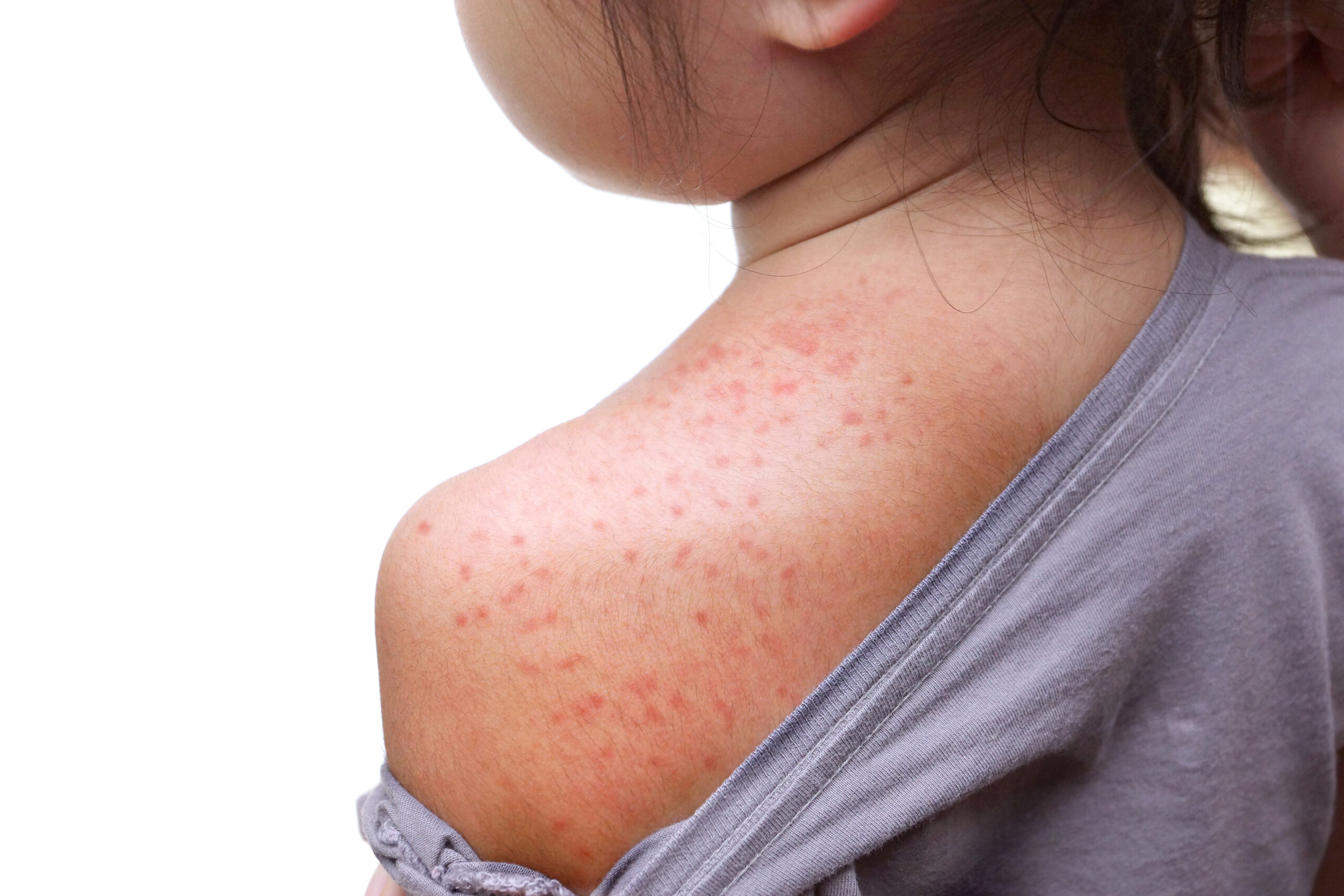
In 2000, the United States declared that measles was eliminated from the country. Unfortunately, 2025 reported the highest number of cases since 1991, with over 2,200 cases across 45 states. And as of early September 2026, the U.S. has reached nearly 3,500 confirmed measles cases across 47 states, according to the Centers for Disease Control and Prevention (CDC),
The number of cases will continue to rise, and many healthcare teams are finding themselves dusting off protocols they haven’t used in years. For some clinicians, measles is something they’ve only read about. For others, it’s a disease they never expected to see again at this scale.
In a recent Carecubes webinar, Is Your Team Ready for the Next Measles Outbreak?, Dr. Susan McLellan walked through what clinicians need to know right now about early recognition, isolation, reporting and prevention. If you missed the live session, the full presentation is available on demand.
Keep reading for a brief recap of what was covered.
Why Measles Demands Attention Again
Measles, as we know, is highly contagious. As emphasized during the webinar, transmission begins 3-5 days before a rash even appears and continues for several days after, making early recognition essential. The virus can remain infectious in the air for up to two hours after an infected person leaves the room.
Even in healthy children, the case fatality rate historically reaches 1-3 out of 1,000. Risks are significantly higher for infants, pregnant patients, immunocompromised individuals and those with malnutrition.
Vaccination remains our strongest defense, but declining immunization coverage in several states has created areas of vulnerability as noted by the Centers for Disease Control and Prevention (CDC) rising case counts.
Recognizing Measles Early: What to Look For
Measles is often missed in its earliest stage, and that’s where a lot is revealed to clinicians.
During the prodrome (the stage where early symptoms occur between the initial onset of disease and its development), patients may present with:
- High fever (often up to 105F)
- Malaise
- The classic “3 Cs”: cough, coryza, conjunctivitis
- Photophobia
- And within 2-3 days, Koplik spots (tiny white lesions opposite the lower premolars that last only 12-72 hours and are easily missed)
The rash typically appears 2-3 days later, beginning at the hairline or occipital region and spreading downward. By this point, patients often have a “measly face” with dry lips and persistent cough.
Common Complications
Measles is not a benign childhood illness, and complications remain common and can be severe. Some include:
- Otitis media
- Bronchopneumonia (the most common cause of measles-related death)
- Croup
- Diarrhea
- Encephalitis
- Diarrhea
- Immune amnesia (A phenomenon where the measles virus destroys memory cells. A study found that measles eliminated up to 73% of children’s protective antibodies, returning their immune system to a more baby-like state)
Adults and pregnant patients face even higher risks, including pneumonitis, pregnancy loss, premature delivery and congenital measles.
Treatment and Supportive Care
There is no specific antiviral treatment for measles. There are medications like Ribavirin, which can be found under various brand names but has little clinical data and high toxicity, receiving black box warnings from the Food and Drug Administration (FDA).
Vitamin A supplementation has been long associated with reducing morbidity and mortality in children and is recommended by the World Health Organization (WHO). However, it’s not a substitute for vaccination nor does it prevent measles. Prevention through vaccination, early recognition and isolation remains the cornerstone for reducing measles transmission.
Infection Control: Identify, Isolate, Inform
The most important message from the webinar is simple: early recognition is key.
Keep these actions in mind once you suspect measles:
- Implement standard and airborne precautions immediately
- Use an N95 respirator
- Place the patient in an airborne isolation room
- Don’t assume healthcare workers are vaccinated, and only allow them in with documented immunity
- Keep the room vacant for two hours after the patient leaves
The greatest risk in healthcare settings is transmission to infants, immunocompromised individuals and unvaccinated patients.
Why Preparedness Matters Now and In the Future
As part of the University of Texas Medical Branch SPECTRE program and the national Special Pathogen System of Care, Dr. McLellan’s team works closely with regional and national partners to ensure readiness for emerging infectious threats. Measles may not be a newly discovered pathogen, but its intimidating resurgence proves that preparedness is not optional.
If you take anything from this Carecubes webinar, Dr. McLellan wants viewers to remember these major points:
- Awareness
- Identify, Isolate, Inform
- Vaccinate
- Vitamin A for Disease
We hope you’ll consider watching the on-demand webinar to explore the full picture of measles and see how proactive preparedness strengthens care for everyone.