Vaccine Rates and Their Impact on Disease Prevention
Why declining vaccination rates threaten public health and healthcare readiness
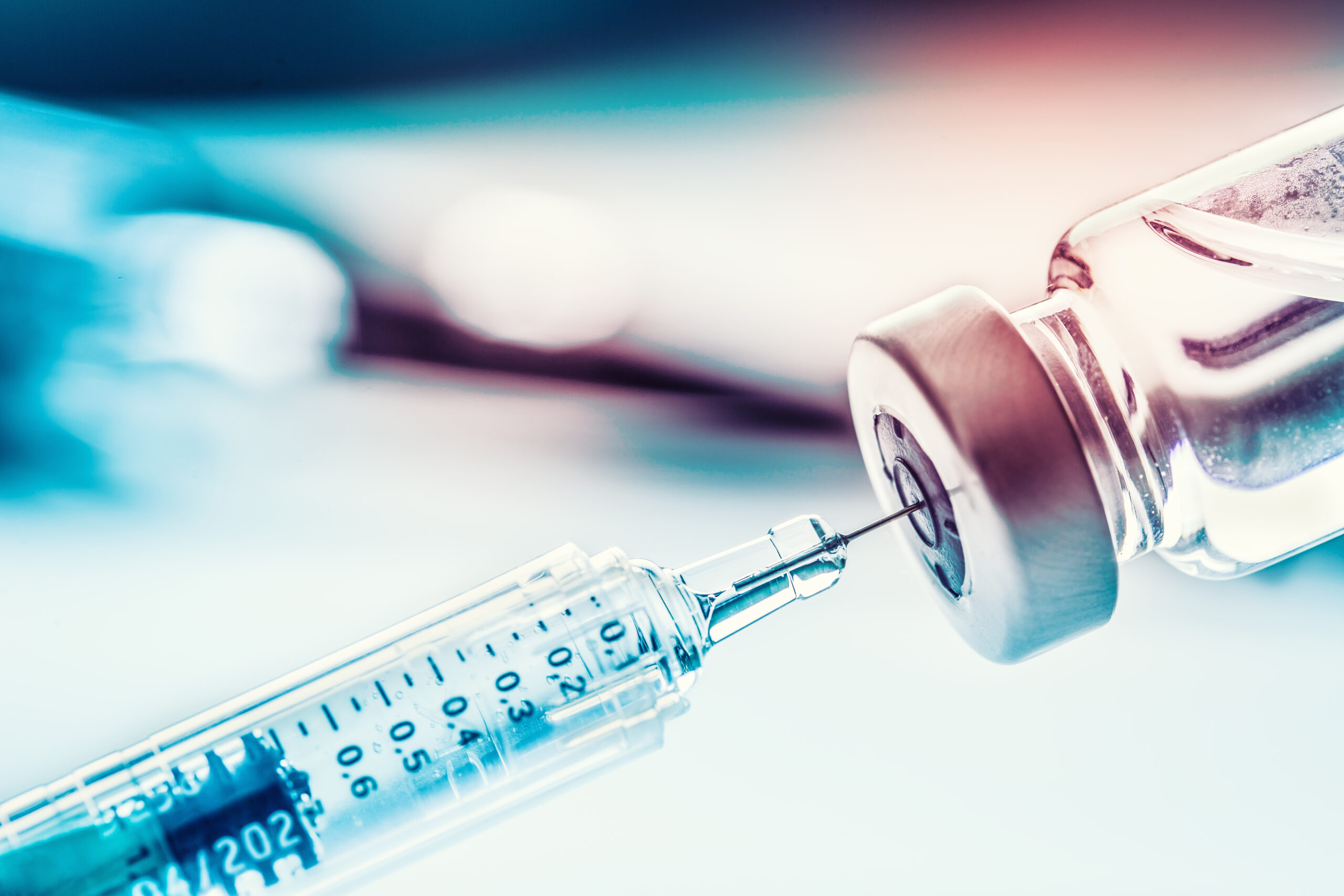
For more than 200 years, vaccines have been a powerful medical practice protecting individuals from life-threatening diseases and protecting communities through the reduction disease transmission.
Initiatives like childhood immunization programs have kept diseases like measles, polio and whooping cough at bay so effectively in the United States that many practicing clinicians today have never seen a case firsthand.
But in recent years, vaccination rates have decreased dramatically. As a practicing emergency physician, I’ve watched the trend unfold among patients, families and healthcare teams.
We are now at a moment where the fall in vaccination rates is heavily affecting our communities, the safety of our clinicians and the resilience of our healthcare system. Understanding how we got here, and what we can do to reverse the trend, is crucial.
Childhood Vaccination
During the 2024-2025 U.S. school year, about 286,000 kindergartners attended school without documented proof of receiving the measles, mumps and rubella (MMR) vaccine series.
This decline stems from several factors, including persistent misinformation on the effects of vaccines, most commonly linking them to autism, a claim that has been repeatedly disproven. However, for some parents, these narratives instill a lasting fear even when decades of scientific data tell a different story.
At the same time, diseases like COVID-19 and new flu strains have changed the way people think about risk. When a disease feels less severe or geographically irrelevant, the urgency to vaccinate can fade. It’s human nature to make decisions based on what feels most immediately relevant to our lives.
Vaccine hesitancy exists worldwide, but the United States has unique geopolitical dynamics that have influenced public perception and global collaboration.
The Consequences
The most visible example of declining vaccination rates is the resurgence of measles. In the first half of 2025, confirmed measles cases reached 1,288, marking the most infections since 1992.
As of early May 2026, there have already been 1,882 confirmed measles cases reported to the Centers for Disease Control and Prevention (CDC) since Jan. 1. The vaccination status of 92% of these cases is either unvaccinated or unknown. South Carolina was the epicenter for six months, reaching nearly 1,000 cases, but their outbreak has been declared over as they reached a 42-day threshold with no new reported cases. Now, Utah is the primary measles hotspot, with 638 cases as of early May.
Measles is a highly contagious virus that can lead to pneumonia, brain swelling and even death. The MMR vaccine is highly protective against measles, and the shot offers people up to 97% protection for life after two recommended doses. However, because measles spreads so rapidly, at least 95% of the population needs to be vaccinated to maintain high levels of community immunity. It’s clear that the magnitude of this year’s measles outbreak is a direct reflection of reduced vaccines.
Measles is not the only concern. When vaccination rates fall, diseases like polio can re-emerge, and suddenly the past doesn’t seem as distant as we’d like to believe.
The Impact on Clinicians and the Healthcare System
WWhen vaccination rates drop, the consequences ripple through every part of the healthcare system.
Clinicians face increased exposure to infectious diseases, even when they are vaccinated. Vaccines help reduce the severity of an illness, but they do not completely wipe away the possibility of infection. That means frontline workers are at risk and could take those pathogens home, putting their family at risk, too.
Lower vaccination rates have also increased the number of preventable hospitalizations. This strains emergency departments, inpatient units and critical care resources. Many facilities only have a handful of negative pressure rooms to safely isolate infected patients, and these rooms cannot be moved or scaled quickly during an outbreak.
The result is a system that can be stretched thin far too rapidly. If clinicians then become ill or must quarantine, staffing shortages add to the problem, making the burden both operational and emotional.
How Clinicians are Responding
Despite these challenges, clinicians and professional organizations are working hard to reinforce the importance of vaccinations. 
The American Academy of Pediatrics (AAP), for example, has recommended routine vaccinations into a “share clinical decision-making” category, encouraging the public to have conversations with their healthcare providers to determine whether a vaccine should remain in their yearly cycle.
Clinicians have also emphasized the importance of credible information and reliable resources. Today, a single TikTok video or any social media post can influence someone’s health decisions, for better or worse. Physicians making themselves available in those spaces can have a positive impact.
One of the most effective tools we have is motivational interviewing. This is a communication approach that focuses on listening, understanding a person’s goals and helping them move toward healthier decisions at their own pace. It’s not about lecturing or pressuring. It’s about building trust, acknowledging fears and enforcing confidence. Pediatricians who often care for children from birth through adolescence are positioned to build these long-term relationships.
We should also recognize that clinicians are only one part of the solution. Public health campaigns, community partnerships and consistent messaging are all essential to countering misinformation and rebuilding trust. Physicians play a crucial role in such initiatives, but they must cooperate closely with governmental and community leaders to ensure they achieve the most effective, widespread results.
Modern Solutions for a Timeless Problem
I encourage all physicians, nurses and all members of a care team to take steps now to learn the early signs of less-common infectious diseases. Regular refresher training on rare diseases is critical right now, as the simple truth is that many of today’s healthcare providers have never encountered things like measles and polio. This type of education can help clinicians recognize symptoms faster and intervene appropriately.
Healthcare facilities also need flexible and scalable solutions for isolation and containment. Traditional negative pressure rooms are limited and stationary. Carecubes are a deployable option that offers a way to isolate patients without waiting for an available room. They can help prevent the spread of infection during a critical window when a diagnosis is still being confirmed.
Moving Forward Together
Vaccination is a collective responsibility. Vaccines remain one of the most effective, accessible and well-studied medical modalities and insurance continues to cover them. But we must also reckon with the reality of a society where these rates are declining and take steps to continue to protect the entire population, vaccinated and un-vaccinated alike.
By continuing to ground our decisions in science and data, strengthen our provider-patient communication and invest in preparedness, we can protect our communities. The choices we make today will determine the health and safety of the generations that follow.