When a Rare Pathogen Reaches the Heartland: Lessons from the 2024 Lassa Fever Case
How one rare case tested our healthcare systems and reshaped regional preparedness

Every so often, an event occurs that forces us to pause and reevaluate the systems we rely on to keep our communities safe. In late 2024, that moment arrived in the form of a single, rare and devastating case of Lassa Fever in Eastern Iowa.
What began as a seemingly routine and silent illness quickly escalated into a multi-state bio-emergency response involving Iowa, Nebraska and Illinois, which required federal support. For many of us working in healthcare preparedness, this outbreak became a real-world test of our systems, communication pathways and collective readiness for high-consequence infectious diseases.
In my work supporting regional preparedness initiatives and helping healthcare organizations strengthen their emergency response capabilities, I’ve seen firsthand how quickly a rare pathogen can challenge even the most experienced teams. That’s why UNMC’s Angela Vasa (Director of Isolation and Quarantine for Special Pathogens at Nebraska Medicine and the Director of Emergency Preparedness and Special Pathogen Programs at UNMC) and I recently hosted a CareCubes webinar, “Lassa Fever in the Heartland: Lessons from the Iowa Case and Regional Response.” Together, we walked through the outbreak in detail, from the science behind the virus to the coordinated response and the lessons it gave along the way.
The webinar is now on-demand, and I encourage you to watch it to explore how to continue improving readiness at every level of care.
Here’s an overview of the key themes we cover.
Understanding Lassa Fever: A Rare but High-Consequence Threat
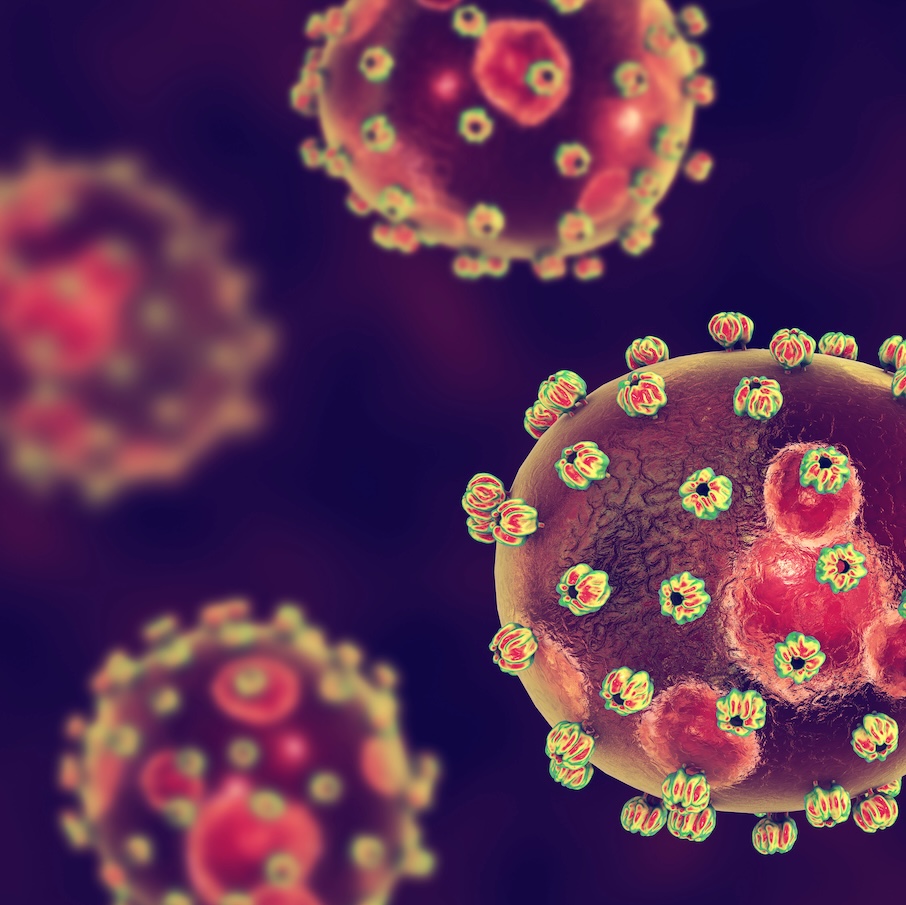
Lassa Fever is an arenavirus transmitted to humans primarily through contact with the urine or feces of infected Mastomys rats. Human to human transmission is possible, especially in healthcare situations, through contact with infected materials and fluids.
The virus is endemic to West Africa and early symptoms often resemble common viral illnesses such as fever, malaise and gastrointestinal discomfort, making early recognition difficult. One in 5 people who are infected go on to have severe disease and eventually organ dysfunction.
Inside the Iowa Case: A Rapidly Evolving Clinical Picture
In the webinar, we discussed the clinical progression of an Iowa patient who became possibly the ninth Lassa fever case to ever make it to U.S. soil in the last 50 years.
The case began with a seemingly routine post-travel illness and evolved into something far more serious very quickly. After returning from several months in Liberia, the patient went to a local urgent care clinic, which is where individuals experiencing early symptoms often go first. Although his initial labs and imaging didn’t point to a clear diagnosis, his condition worsened over the following days, prompting transfer to a higher‑acuity facility for intensive care.
It wasn’t until a more detailed travel history emerged that the admitting clinicians, public health partners and the Centers for Disease Control and Prevention (CDC) began to suspect a viral hemorrhagic fever. His care team, many of whom had trained extensively for high‑consequence pathogens, described the emotional weight of the case, not only because of the outcome, but because of the speed at which events unfolded. Ultimately, over 150 people were exposed to this virus, with most of them being healthcare workers from several different entities.
This case illustrated how quickly a rare pathogen can move through routine care pathways before anyone realizes what they’re dealing with and why early escalation, travel history and strong coordination are so essential.
A Multi-State Response: Coordination in Motion
The encouraging light amidst this outbreak was the level of coordination across Iowa, Nebraska and Illinois. Multiple hospitals, emergency medical services (EMS) partners and federal agencies rallied in real time to manage the response.
The states worked together with remarkable speed and alignment. The Level 1 Regional Emerging Special Pathogen Treatment Center (RESPTC) in Omaha played a central role, offering real-time consultation, readiness support and coordination with EMS partners.
EMS teams are often overlooked in the emerging pathogen planning, but they’re crucial to ensure safe patient movement and prevent secondary exposures. Public health agencies across these state lines collaborated closely with the CDC to conduct risk assessments, monitor exposed individuals and maintain consistent communication.
The Key Lessons
Several themes from the webinar deserve attention:
-
-
- Early recognition is essential. Rare pathogens often look like common illnesses at first, which puts a thorough travel history as the key in early identification. Frontline clinicians need the training and tools to escalate quickly when something doesn’t fit the usual pattern.
- Regional treatment centers are indispensable. Their expertise and coordination capabilities can make the difference between a contained event and a widespread crisis.
- EMS integration is critical. Transport teams must be fully embedded in emerging pathogen planning, not brought in as an afterthought.
- Preparedness investments matter. Training, exercises, PPE competency and communication pathways are the backbone of an effective response.
-
A Call to Strengthen our Preparedness
The Iowa Lassa Fever case was a wake-up call. It showed us what can happen when a rare pathogen intersects with everyday healthcare operations. It also highlighted both the strengths and vulnerabilities of our current systems. Strengthening U.S. bio-emergency preparedness will require sustained investment, cross-sector collaboration and a commitment to learning from every event, no matter how uncommon.
I hope you’ll access the on-demand webinar to explore the full case details, the lessons learned and the strategies that will shape our preparedness efforts moving forward.